



Resources
Connect with resources that offer support, guidance, and tools to strengthen Military Families.

Workshops and Classes
Participate in classes on stress, anger, and communication to strengthen coping and resilience.

Leaders play a key role in prevention.
Commanders and units are required to receive annual FAP training. These sessions explain the dynamics of Family violence, warning signs, and resources available to Soldiers and Families. New commanders also receive desk-side briefings within their first 45 to 90 days.
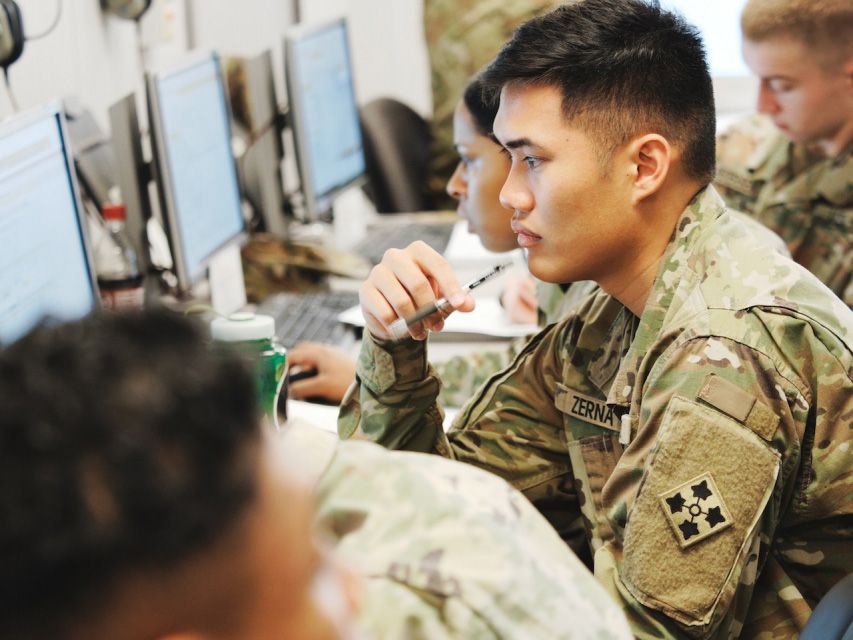
By learning how to respond early, leaders help strengthen units and protect Families. Contact the FAP office to schedule training.
-
Education for Command and Troops
-
Family Advocacy Program (FAP)
Unit Training
Required annual training for Soldiers IAW AR 608-18, Army Family Advocacy Program. Educates Soldiers on the dynamics of spouse and child abuse; command policy; community programs, services, resources; the identification, reporting, and referral process; and utilization of the 254-287-CARE Line for assistance. Training is available upon request. FAP Orientation is conducted during daily inprocessing briefings.
Leadership Training
Training available for all levels of command, from junior to senior, focusing upon the FAP, dynamics of abuse and strategies identified to assist Soldiers and their families in the prevention of spouse and child abuse. A presentation of available community programs, services, resources, Transitional Compensation Program, and the referral process is included. Classes are available upon request.
Family Advocacy Specialist Program (FASP)
Provides commanders with a mechanism through which education, training, and referral procedures can be established in their units to promote sound decision-making skills, increased knowledge on family stressors, the prevention of family violence, and a constant information flow of rehabilitation efforts. Each battalion-sized element is assigned a Family Advocacy Specialist. +1 (254)288-2092 or +1 (254)287-8989.
Commander Desk Side Briefing
An on-site presentation for commanders at all levels that provides an overview of the FAP; update of program initiatives; identification of command support required; trends/status of training and treatment mandates; prevention programs/services/resources; and review of the reporting/referral process. An updated Commander’s Reference Guide is provided. Briefings are available upon request. +1 (254)288-2092 or +1(254)287-8989